📌This article is written by the CPAPCORE team and is for reference only.
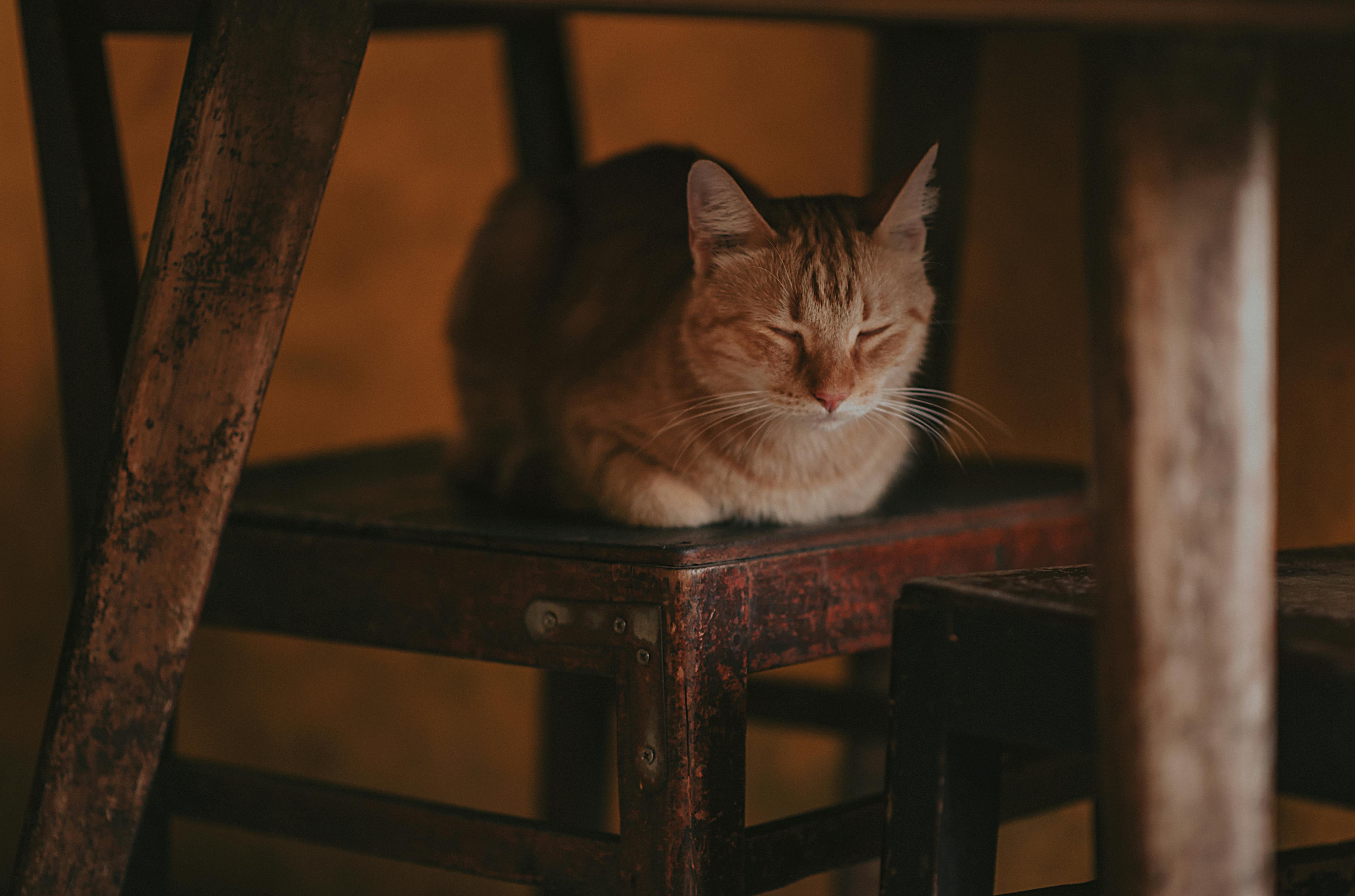
You woke up at 3 AM to the sound of hissing — and it wasn't your machine. Your cat had chewed a hole clean through your CPAP hose. Again.
Or maybe it's your dog, who seems to think the tubing is a chew toy that conveniently appears every night. Either way, you're looking at a ruined hose, a night of terrible sleep, and another 20–40 down the drain.
Pet damage is one of those things nobody warns you about when you start CPAP therapy. But if you share your home with a cat or dog, it's almost a matter of when — not if — they'll go after your hose. CPAP support communities like CPAPtalk are full of threads from frustrated pet owners dealing with this exact problem.
Here's the good news: it's preventable. Let's walk through what actually works.
Why Pets Target CPAP Hoses
Before we fix the problem, it helps to understand why it happens:
- Your breath smell. The hose carries your exhaled air, and to a pet, that smells like YOU. Cats in particular are drawn to their owner's scent — veterinary behaviorists explain that cats chew on textured plastics partly because of the lingering scent and the satisfying give of the material.
- The texture. Flexible, ribbed tubing is basically a giant chew toy. Dogs love the give and resistance.
- Nighttime movement. When you shift in bed, the hose moves too — triggering a pet's prey drive, especially cats. ResMed notes that pets can turn CPAP equipment into playthings, particularly cats.
- Boredom. Pets that are under-stimulated during the day are more likely to seek entertainment at night. Purina's veterinary team points out that chewing on unusual objects like plastic tubing is a common sign of feline boredom or stress. Your hose is the most interesting thing in a dark room.
Understanding this helps — because the solution isn't just "yell at your pet." It's about making the hose unappealing, inaccessible, or both.
5 Ways to Protect Your CPAP Hose from Pets
Method 1: Use a CPAP Hose Cover (The Easiest Fix)
A fabric hose cover is the simplest and most popular solution. It slides over your tubing and changes the texture from "chewy rubber" to "boring fabric" — most pets lose interest immediately.
What to look for:
- Full-length coverage (6 feet for standard hoses)
- Zippered design for easy on/off
- Soft, breathable fabric that doesn't add bulk
- Machine washable (because pets shed)
Bonus: A hose cover also reduces condensation (rainout) in your tube, which is a nice side benefit if you use a heated hose without insulation.
Method 2: Route Your Hose Smart
How you run your hose from machine to mask makes a huge difference in whether your pet can reach it.
Best routing strategies:
| Setup | How to Route | Why It Works |
|---|---|---|
| Nightstand next to bed | Run hose straight up from machine, over your headboard, down to your mask | Keeps hose off the bed surface entirely |
| Machine on floor | Use a hose guide/hook on the wall behind your bed | Hose travels vertically where pets can't reach |
| Machine across the room | Run hose along the wall using adhesive clips, up to headboard height | Longest path but most pet-proof |
The key principle: Get the hose OFF the mattress surface and into the air or along a wall. If the hose isn't lying on the bed, most pets won't bother.
Method 3: Use a Hose Holder or Hanger
A CPAP hose holder is a simple bracket that clips to your headboard or nightstand and holds the hose above your head. This serves double duty:
- Pet protection — the hose hangs from above instead of lying on the bed
- Better therapy — reduces mask pull and hose drag that can cause leaks
Most holders cost 10–20 and install in about 30 seconds. If your pet is a chewer, this plus a hose cover is the one-two punch that usually solves the problem.
Method 4: Bitter Spray Deterrent
If your pet is determined — we're looking at you, cat owners — bitter spray can be the final layer of defense.
What works:
- Grannick's Bitter Apple Spray — the classic, safe for pets and effective
- Bitter Lemon Spray — some cats hate citrus more than bitter apple
- DIY: White vinegar + water (1:1) — cheap, works for dogs, less effective on cats
How to use it:
- Spray a light coat on your hose (or hose cover) before bed
- Let it dry for 30 seconds
- Reapply every few days — the effect fades
- Important: Don't spray directly on mask cushion — you'll taste it all night
Pro tip: Spray your hose COVER, not the hose itself. This way you can wash the cover instead of having the smell permanently on your tubing.
Method 5: Use an Elbow Connector to Reduce Hanging Hose
This is an underrated trick. A CPAP elbow connector shortens the amount of hose that hangs freely between your machine and mask.
How it helps:
- Less hose = less dangling = less temptation for pets
- The elbow angle redirects the hose downward along your body instead of looping across the bed
- Your mask sits more naturally, reducing pull that exposes hose to the mattress surface
If you're using a standard 6-foot hose, try pairing it with an elbow connector and a hose holder — you'll cut the "chewable real estate" down to almost nothing.
Check out our CPAP elbow connector for a simple, inexpensive fix.
What to Do If Your Hose Is Already Damaged
Okay, so the damage is done. Here's the decision tree:
Small puncture hole (pin-size)
- Temporary fix: A small piece of waterproof medical tape (like Tegaderm) can seal it for a night or two
- Reality: This is not a long-term solution. The tape will peel and the leak will return
- Action: Order a replacement hose ASAP
Large chew mark or split
- No DIY fix. The hose is done. Don't try tape, glue, or heat-shrink tubing — you'll compromise the air pressure and potentially inhale particles
- Action: Replace immediately. Using a damaged hose means your therapy isn't delivering the prescribed pressure
Cracked connector end
- Possible fix: If the crack is at the smooth end (not the ribbed section), an elbow connector or coupler might bypass the damaged section
- Action: Still replace when you can, but this buys you a few days
Don't wait on replacement. A leaking hose means your pressure drops below prescription, which means you're essentially not getting therapy — even though the machine is running. A BMJ Open Respiratory Research study found that unintentional mask leak worsens over time and directly correlates with higher residual AHI — meaning your therapy becomes less effective the longer you use compromised equipment.
Comparison: Best CPAP Hose Options for Pet Owners
| Hose Type | Pet Resistance | Pros | Cons | Best For |
|---|---|---|---|---|
| Standard 6ft SlimLine | ❌ Low | Lightweight, easy to route | Thin walls, easy to puncture | Use WITH a cover only |
| Standard 6ft ClimateLine (heated) | ❌ Low | Heated, no rainout | Expensive to replace if chewed | Use WITH a cover + holder |
| Reinforced/Braided hose | 🟡 Medium | Thicker walls, harder to puncture | Stiffer, heavier | Moderate chewers |
| Standard hose + fabric cover | ✅ High | Double protection, cheap | Slightly bulkier | Best value for most pet owners |
| Slim hose + elbow connector + holder | ✅ High | Minimal exposed hose | Requires setup | The full defense system |
Frequently Asked Questions
Can I use duct tape to fix a chewed CPAP hose? No. Duct tape adhesive breaks down when warmed by the air flowing through the hose, and you could inhale adhesive particles. Use it as an absolute last resort for one night, then replace.
How often should I replace my CPAP hose? Every 3–6 months under normal use. CPAPxchange notes that pet owners should inspect their tubing weekly and replace at the first sign of wear — pet damage can develop gradually from small punctures that aren't immediately obvious.
Are CPAP hose covers machine washable? Most are. Check the label, but typically you can wash on gentle cycle and air dry. This is another reason to go with a cover — you can clean it without damaging your actual hose.
Will a heated hose work with a cover? Yes. The cover actually helps retain heat and reduces rainout (condensation inside the tube). It's a benefit, not a conflict.
My cat only chews the hose when I'm not in bed. What do I do? This is separation behavior — your cat is seeking your scent. Sleep Apnea Sleep-Disorders.net shares real user experiences with this exact issue. Try placing a worn t-shirt near your pet's sleeping spot as a decoy scent source, and use the hose cover + bitter spray combo.