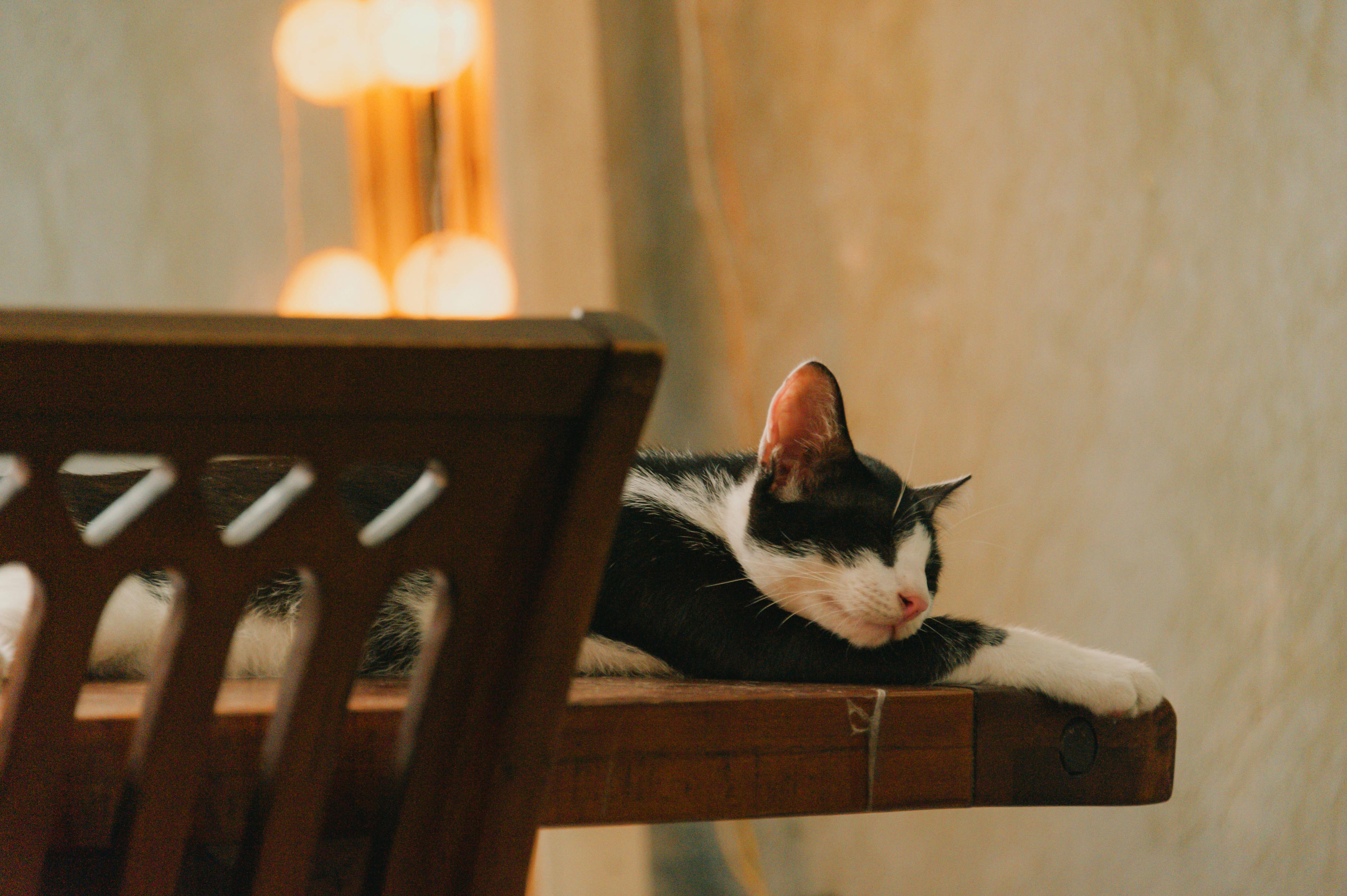
For many people, sharing a bedroom — or even a bed — with a pet feels comforting and natural. Dogs and cats provide companionship, emotional support, and a sense of security.
But what happens when your loyal friend starts snoring, shifting, or waking you up at night?
Can restful, restorative sleep truly coexist with furry roommates?
Scientific research shows that it depends — on your pet, your sleep habits, and your health needs. This guide breaks down everything you need to know, backed by human-friendly explanations and practical tips.
Do Pets Help or Harm Your Sleep? Research Says: Both.
Pets can improve your sleep… or disrupt it. Studies show mixed results, which makes sense — pets differ in size, age, personality, and sleep behavior.
How Pets Can Improve Sleep
Pets often provide:
-
Stress reduction (lower cortisol levels)
-
Comfort and emotional security
-
Reduced loneliness
-
Warmth, grounding, and companionship
One Mayo Clinic study even found that having pets in the bedroom (but not necessarily in the bed) was linked to a greater sense of comfort and security, which helped some people sleep better.
How Pets Can Disrupt Sleep
On the other hand, pets may:
-
Wake owners with movement
-
Bark or meow at night
-
Cause allergies
-
Take up space in the bed
-
Snore or breathe loudly
-
Trigger insomnia or light sleep
A different study from the same clinic found that dogs in the bed reduced sleep efficiency compared to dogs simply in the room.
Conclusion?
The key is not the pet, but the sleeping arrangement.
Sleeping With Dogs: What to Expect
Dogs tend to:
-
Move more during sleep
-
Change positions frequently
-
Dream (involving twitching, paw movements, or vocalizing)
-
Follow the owner’s schedule
Large dogs may be the most disruptive simply due to size.
But many dog owners feel emotionally comforted, which can outweigh the physical disturbances.
Sleeping With Cats: A Different Story
Cats are naturally nocturnal or crepuscular (active at dawn and dusk).
They may:
-
Jump on and off the bed
-
Groom loudly
-
Knock objects off surfaces
-
Demand food at early hours
-
Wander or explore
This makes cats statistically more likely than dogs to interrupt sleep.
However, relaxed or older cats may sleep peacefully through the night.
Pets & Sleep Disorders: What You Need to Know
If you have:
-
Sleep apnea
-
Insomnia
-
Restless legs syndrome
-
Night shift sleep schedule
-
Light sleep or frequent awakenings
your sleep may be more easily disrupted by pets.
In these cases, many doctors recommend keeping pets out of the bed, or sometimes out of the room entirely.
For CPAP users, pets may:
-
Chew CPAP tubing
-
Knock over the machine
-
Introduce hair and dander into the sleeping area
If you use CPAP, a “pet-free radius” around your equipment is ideal.
When Pets and Good Sleep Can Coexist
Most people can sleep well with a pet as long as boundaries are set.
✔️ Allow pets in the bedroom, not the bed
This keeps emotional comfort while reducing sleep disruption.
✔️ Establish a pet nighttime routine
Regular feeding, bathroom breaks, and playtime help them settle.
✔️ Use pet beds beside your bed
Pets feel secure while giving you more space.
✔️ Manage allergies proactively
HEPA filters, weekly linen changes, and pet grooming help.
✔️ Avoid reinforcing nighttime behavior
No midnight feedings, playtime, or cuddles when they wake you.
✔️ Keep the room quiet and dark
White noise machines help mask pet sounds.
When Pets Should NOT Sleep in the Room
Consider creating separate sleep spaces if:
-
You have severe allergies
-
You are a very light sleeper
-
You have untreated sleep apnea
-
Your pet wakes you multiple times a night
-
Your pet has nighttime anxiety or is highly active
-
Your pet is a large breed that crowds the bed
-
You share the bed with a partner and space is limited
Healthy sleep must come first.
How to Transition Your Pet to Their Own Sleep Area (Without Stress)
Many pets adapt well to new routines if the change is gradual.
Step-by-step plan
-
Start by placing a pet bed next to your own bed.
-
Reward the pet for resting there.
-
Move the pet bed toward the door over several nights.
-
Finally, place it outside the room if needed.
-
Use treats, calming music, or chew toys to encourage positive association.
Never punish pets for nighttime behaviors — it increases anxiety and makes sleep worse.
Final Answer: Can Pets and Restful Sleep Coexist?
Yes — for many people — but not always.
Pets can offer emotional comfort that leads to deeper sleep, but they can also disrupt rest with movement, noise, or nighttime habits. The key is finding a sleep arrangement that supports YOU, not just what your pet prefers.
If your pet consistently keeps you awake, it’s not “mean” to set boundaries. It’s necessary self-care — and better sleep will make you a better owner, too.