Understanding the AHI Index with CPAP is crucial for those managing obstructive sleep apnea (OSA). This index measures the severity of sleep apnea by counting breathing interruptions per hour, helping healthcare providers diagnose and track treatment effectiveness.
CPAP therapy (continuous positive airway pressure) is a common treatment that helps keep airways open during sleep. Knowing your AHI index with CPAP can help you assess the therapy's effectiveness and make informed decisions with your healthcare provider.
Regular monitoring of AHI can guide necessary adjustments in CPAP settings, ensuring optimal results and improved sleep quality. Loud snoring and daytime fatigue are common symptoms of obstructive sleep apnea that often improve with consistent CPAP use.
Choosing the right CPAP mask and machine is also vital. Options like the N30 CPAP mask or nose pillow CPAP can enhance comfort and therapy adherence. Oral appliances are an alternative for patients who cannot tolerate CPAP. Proper cleaning and maintenance of CPAP equipment are essential to prevent bacteria buildup and ensure effective therapy.
What Is the AHI Index and Why Does It Matter?
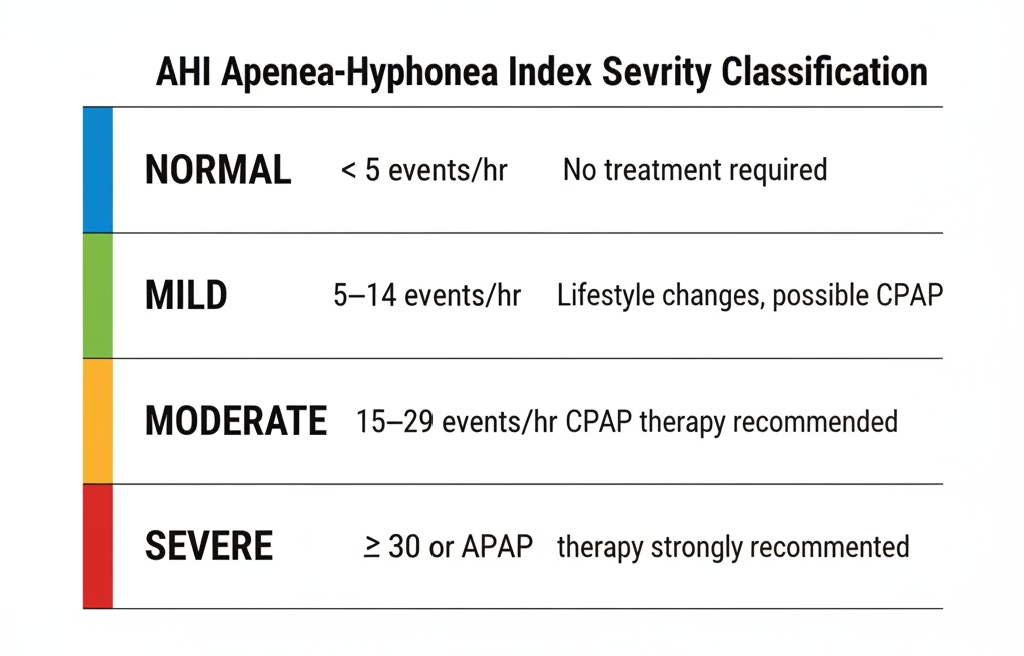
The AHI, or Apnea-Hypopnea Index, is a crucial metric in sleep health. It measures the number of apneas and hypopneas per hour of sleep. Apneas are complete pauses in breathing; hypopneas are partial obstructions that reduce airflow.
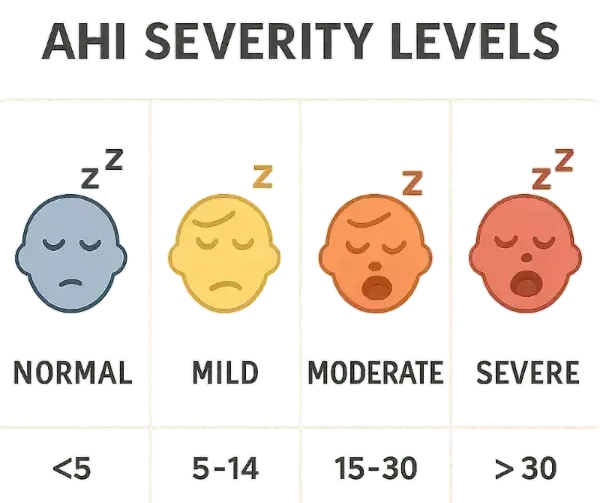
This index categorizes sleep apnea severity into three levels — mild (5-15 events/hour), moderate (15-30 events/hour), and severe obstructive sleep apnea (>30 events/hour). Understanding your AHI helps you gauge your condition. A home sleep study or lab sleep study establishes your baseline.
With CPAP therapy, monitoring your AHI can reveal treatment effectiveness. A lower AHI indicates better outcomes. Untreated sleep apnea is associated with increased risk of heart disease, heart attack, and other complications of obstructive sleep apnea. Knowing your AHI can guide lifestyle changes like weight loss to improve overall health.
How Is the AHI Index Calculated?
Calculating the AHI index is straightforward. Record the total apnea and hypopnea events throughout a single hour of sleep, then sum them to get interruptions per hour. Understanding these figures helps you see how frequently breathing issues disrupt your sleep.
Here is a quick breakdown of the process:
|
Step |
Action |
Detail |
|
1 |
Count apneas |
Complete breathing pauses recorded during the hour of sleep |
|
2 |
Count hypopneas |
Partial breathing reductions that cause a drop in blood oxygen |
|
3 |
Add events |
Sum total apneas + hypopneas for that hour |
|
4 |
Divide by hours |
Divide by total sleep hours monitored to get your AHI score |
This calculation provides your AHI score, essential for assessing mild, moderate, or severe obstructive sleep apnea. The score is often confirmed via home sleep apnea testing. It is important for anyone seeking to manage their sleep health effectively.
AHI Severity Levels: What Do Your Numbers Mean?
Understanding the severity of your AHI score guides treatment plans. The AHI categorizes obstructive sleep apnea (OSA) into three levels, each with distinct implications for overall health.
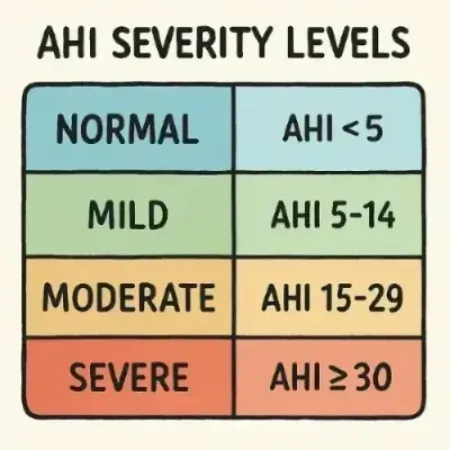
Mild sleep apnea may cause minor disruptions affecting daytime alertness slightly. Moderate cases involve more frequent interruptions, leading to noticeable fatigue and concentration issues. Severe sleep apnea poses significant risks — untreated severe OSA doubles the risk of heart disease and is linked to difficulty falling asleep and fragmented sleep patterns. Understanding your AHI empowers you to seek the right interventions.
Regular communication with your healthcare provider will help manage sleep apnea effectively. A sleep center or lab sleep study provides the most thorough diagnosis.
Understanding AHI Readings with CPAP Therapy
CPAP therapy keeps airways open during sleep, improving breathing patterns and reducing apneas and hypopneas. Consistent CPAP use often results in lower AHI scores, indicating effective management of obstructive sleep apnea (OSA). However, it is important to monitor AHI readings regularly to ensure the therapy maintains its effectiveness over time.
Several factors can affect AHI readings even with CPAP therapy:
- Mask fit issues causing air leaks
- Incorrect pressure settings
- Changes in sleep position
Evaluating these elements helps optimize therapy. For patients who find CPAP uncomfortable, oral appliance therapy is worth discussing with your healthcare provider — these devices reposition the jaw to keep airways open during sleep.
Factors That Influence AHI Scores on CPAP
Several elements can influence your AHI scores while using CPAP therapy.
Mask fit is crucial. A poorly fitted mask leads to air leaks, potentially elevating AHI scores. Ensure your CPAP mask fits snugly.
Pressure settings also play a significant role. If pressure is too low, it may not fully keep your airways open; too high and it could cause discomfort and difficulty falling asleep. Work with your healthcare provider to find the optimal setting.
Other factors include:
- Sleep position changes
- Device malfunction
- Mask type (e.g., nose pillow CPAP or N30 CPAP mask)
If your AHI remains elevated despite consistent use, a home sleep test or visit to a sleep center may be needed to reassess.
How to Optimize Your CPAP Therapy for Lower AHI
Optimizing your CPAP therapy leads to lower AHI scores and better sleep quality. Start by ensuring machine settings are personalized to your individual needs.
Regularly check your mask fit to prevent air leaks. An ill-fitting mask hinders effective therapy. Consider these additional steps:
- Use a humidifier to prevent dry nose and throat
- Wear CPAP masks for side sleepers to avoid pressure on one side
- Regularly update your machine's software for peak performance
Ensuring your CPAP machine is clean and well-maintained is also critical. Know how to clean your CPAP machine properly — pay attention to the hose, mask, and filters.
Consistent monitoring is key. Track your sleep data and AHI readings regularly. Weight loss and reducing alcohol intake before bedtime can also positively influence your sleep patterns and AHI outcomes.
Consult with your healthcare provider if you have persistent issues — they can offer tailored advice and adjustments.

by Slumber Sleep Aid (https://unsplash.com/@slumbercbn)
Choosing the Right CPAP Mask and Machine
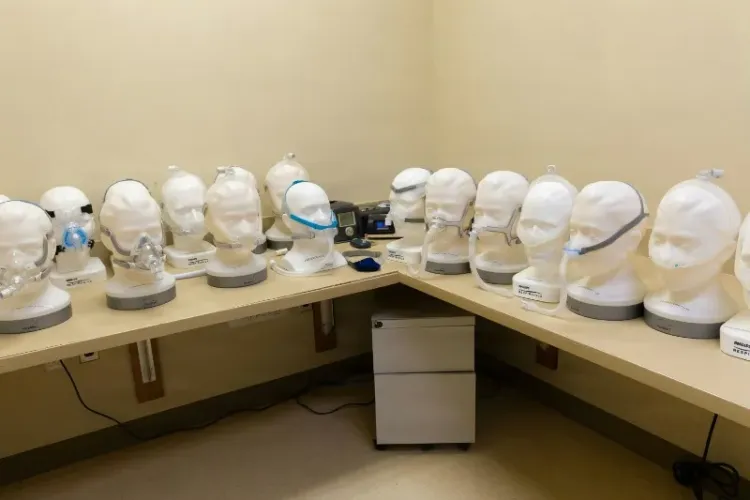
Selecting the right CPAP mask and machine is crucial for effective sleep apnea treatment. Comfort and fit should top your criteria list. Oral appliances are also worth discussing with your provider as an alternative therapy option.
Options like the N30 CPAP mask and nose pillow CPAP masks provide varied fits. Nose pillows are less obtrusive, ideal for facial hair or claustrophobia concerns. The best CPAP machines often include:
- Auto-adjusting pressure settings
- Built-in humidifiers
- Detailed data tracking for therapy insights
Research thoroughly to find what matches your needs and lifestyle. Consult your sleep specialist for guidance tailored to your sleep patterns and comfort preferences. Correct gear enhances comfort, maximizes therapy effectiveness, and lowers your AHI score over time.
by Navy Medicine (https://unsplash.com/@navymedicine)
Cleaning and Maintenance: Keeping Your CPAP Effective
Regular cleaning is vital for keeping your CPAP equipment in optimal working condition. Neglecting maintenance can lead to ineffective therapy and health issues.
Start by focusing on key parts like the CPAP hose and mask. Regularly cleaning the CPAP hose helps prevent bacteria buildup. Use mild soap and water, avoiding harsh chemicals to prevent damage.
Follow these basic steps for effective cleaning:
-
Wash mask, tubing, and humidifier chamber with warm soapy water.
-
Allow all parts to air dry thoroughly.
-
Replace filters regularly based on manufacturer instructions.
Maintaining your machine ensures clean air and better sleep quality. Incorporate these habits into your routine for continuous therapy success.
When to Seek Help: Working with Your Sleep Specialist
Connecting with your sleep specialist can be crucial when issues arise with CPAP therapy. Persistent high AHI scores or discomfort might indicate the need for professional advice.
Consider scheduling an appointment if:
-
Your AHI score remains elevated despite consistent CPAP use.
-
You experience persistent mask leaks or discomfort.
-
Sleep quality doesn’t improve after initial adjustment.
Specialists can provide valuable insights, fine-tune settings, or suggest alternative solutions. Their expertise ensures that your CPAP therapy delivers effective results, helping you achieve restful sleep and better overall health.
Lifestyle Tips to Support Better AHI and Sleep Quality
Enhancing your sleep quality often involves more than just CPAP therapy. Lifestyle adjustments can have a significant impact on AHI scores. Small changes in daily habits contribute to substantial improvements.
Consider these tips to enhance your sleep health:
-
Maintain a healthy weight through diet and exercise.
-
Avoid alcohol and tobacco, especially before bedtime.
-
Establish a consistent sleep schedule, even on weekends.
These practices can complement your CPAP use, resulting in lower AHI scores and more refreshing rest each night. Consistently applying these changes helps in managing sleep apnea effectively.
Key Takeaways: Empowering Yourself for Better Sleep
Taking control of your sleep health starts with understanding the AHI index. Using CPAP therapy effectively can significantly improve your sleep quality. Your active participation is crucial for success.
Key points to remember:
-
Monitor your AHI readings regularly.
-
Work closely with your sleep specialist.
-
Make necessary lifestyle changes.
By staying informed and proactive, you can achieve better sleep and enhance your overall well-being.